Science
Research
Our lab sits at the intersection of computational biology, structural evolution, and genomics. We combine large-scale sequencing data, phylogenetics, and molecular modeling to understand how genomes are damaged, repaired, and reshaped by evolution — and how that history writes itself into the function of individual proteins.

🧬
DNA Damage, Repair & Genome Architecture
DNA is under constant assault from UV light, chemical adducts, and replication stress, and cells have evolved intricate machinery to find and fix the damage before it becomes a mutation. We map nucleotide excision repair genome-wide, at single-nucleotide resolution, using XR-seq and Damage-seq across bacteria, plants, worms, and human cells. A growing thread of this work traces how the genome's 3D architecture is itself reorganized by UV damage — and how that reorganization feeds back into how efficiently the damage gets repaired.
- Transcription-coupled repair and the Mfd/TRCF translocase, from E. coli to Mycobacterium
- UV-induced 3D genome reorganization and its role in the damage response
- Chromatin context and repair dynamics in C. elegans and Arabidopsis
- Cross-species comparisons of XPA-dependent excision repair
🧭
GPCR & Receptor Evolution
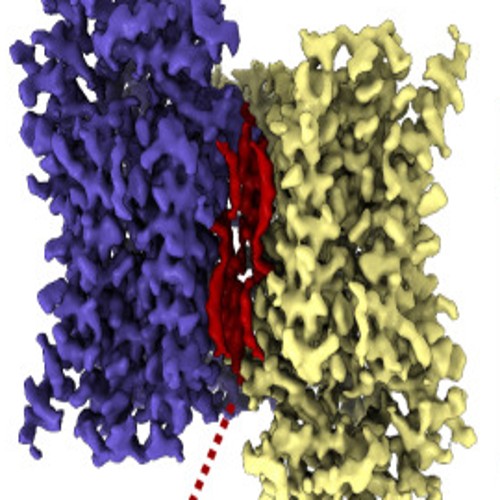
G protein-coupled receptors sense everything from light and odorants to hormones and neurotransmitters, and remain the single largest class of drug targets. We use deep evolutionary conservation across GPCR subfamilies to identify the residues that actually define receptor function — how a receptor activates, how it internalizes, and how closely related receptors diverge in the way they signal.
- Evolution-guided residue profiling to decode functional specialization across GPCR subfamilies
- Structural basis of frizzled receptor activation and allosteric regulation
- Conservation analysis of β-adrenergic receptor internalization
- Evolutionary history of calcium-sensing receptors and hyper/hypocalcemia-causing mutations
🌳
Genome Evolution & Variant Interpretation
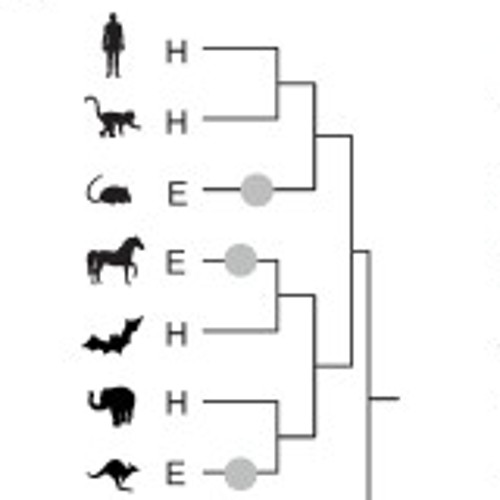
Mutations are the raw material of evolution, but only some of them matter. We build phylogeny-aware computational methods that use the full evolutionary record — not just a single reference genome — to predict which amino acid substitutions affect protein function, and to detect residues that coevolve across a phylogeny. This work feeds directly into the genetic diagnosis of rare Mendelian disorders, where automated variant-effect prediction still falls short of what the clinic needs.
- PHACTboost — a phylogeny-aware, boosting-based pathogenicity predictor for missense variants
- PHACE — phylogeny-aware detection of molecular coevolution
- Participation in CAGI, the Critical Assessment of Genome Interpretation
- Evolutionary constraints on disease-associated gene families
💻
Computational Tools & Databases
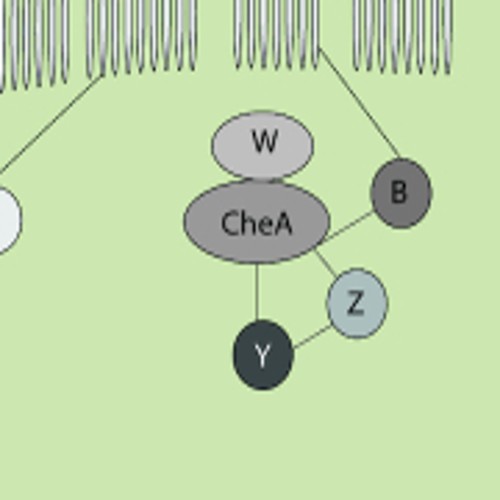
Good science needs good software. We build and maintain open-source pipelines, web tools, and databases that put our methods directly in the hands of other labs, from genome browsers for repair data to simulators that remove technical bias from sequencing analysis.
- Aquerium, CDvist, SAVER, Phylostat and MiST — our public web tools and databases
- Boquila, an NGS read simulator that eliminates nucleotide bias in sequence analysis
- Automated pipelines for XR-seq and Damage-seq data processing at HPC scale
🦠
Virus & Host Genomics
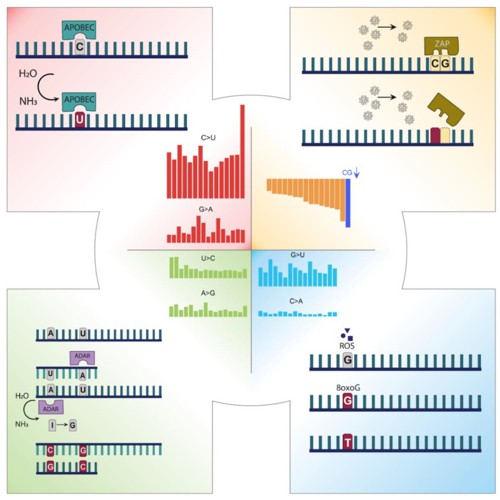
Viruses evolve under intense pressure from host defense systems, leaving signatures in their genomes that can be read computationally. We study how host mechanisms, from APOBEC3 RNA editing to DNA repair pathways, shape viral genome evolution, and what that means for how these viruses persist and spread.
- APOBEC3-mediated RNA editing and its evasion in monkeypox virus (MPXV) transcripts
- SARS-CoV-2 genomic surveillance and mutational analysis
- Host repair factors and their interaction with viral genomes
Team
People
We are a diverse, international team of computational biologists, bioinformaticians, and molecular biologists at Sabancı University.
![]()
🧑🔬
Ogun Adebali
Principal Investigator · Associate Professor
Ogun Adebali leads the lab in the Molecular Biology, Genetics and Bioengineering program at Sabancı University. His research spans DNA damage and repair, GPCR and receptor evolution, and phylogeny-aware computational genomics. He completed postdoctoral training at UNC Chapel Hill and received his PhD from the University of Tennessee, Knoxville.
Loading team…
Scholarship
Publications
Loading publication list…
* corresponding author, # equal contribution, authors in bold are lab members.
No publications match the current search, filter and year range.
Find Us
Contact
We're on the Sabancı University campus in Tuzla, on the Asian side of Istanbul — about an hour from the city center.
In The News
Press
Media coverage, interviews and awards, newest first.
Loading press coverage…
Opportunities
Join Us
We are always looking for curious, motivated researchers. If you are excited about computational biology and want to tackle fundamental questions in genomics, we want to hear from you.
OpenPhD Studentship
Fully funded position for candidates with strong computational or molecular biology background. Turkish or international applicants welcome.
OpenMSc Position
Research-focused master's degree with the possibility of continuing to PhD.
RollingPostdoctoral Researcher
We welcome fellowship applications. Get in touch if your interests align with our research areas.
RollingUndergraduate Research
Sabancı undergrads interested in bioinformatics or computational biology are encouraged to reach out.
Why Adebali Lab?
- 🌍
International Environment
Work with collaborators from the US, Europe, and across the globe on high-impact projects.
- 🚀
Cutting-Edge Methods
Access to state-of-the-art sequencing data, HPC infrastructure, and the latest ML tools.
- 🤝
Supportive Mentorship
Close mentoring, clear career development plans, and a collaborative lab culture.
- 📍
Istanbul
Beautiful campus in one of the world's most vibrant cities, at the crossroads of Europe and Asia.